


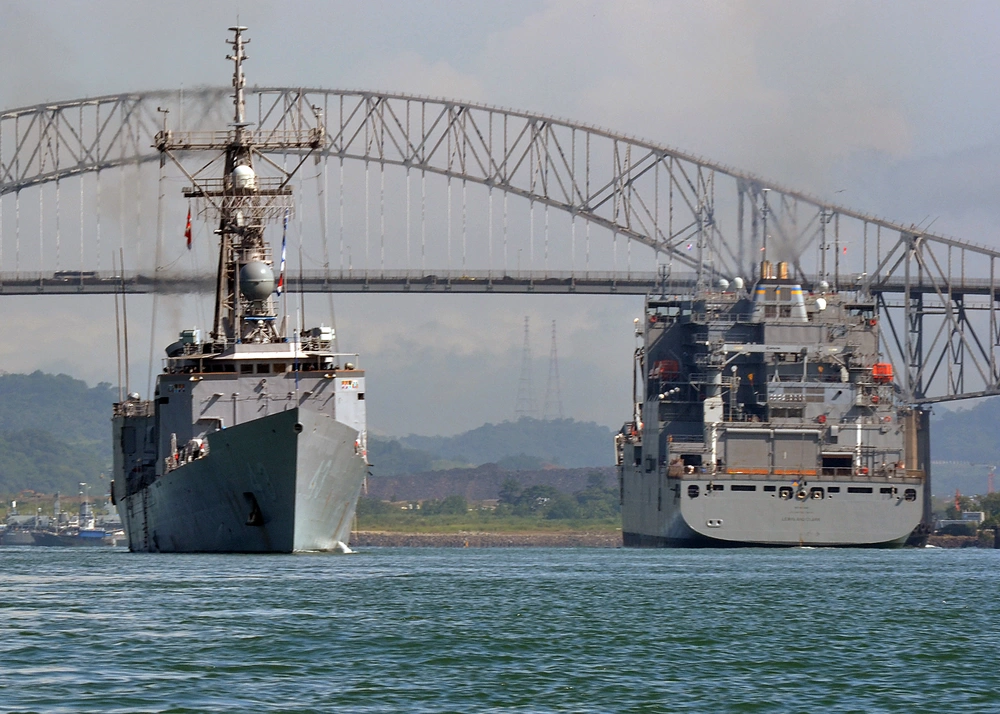
The Panama Canal Authority has rejected claims that U.S. government vessels will be allowed to transit the waterway free of charge, clarifying that no changes have been made to the Canal’s tolls or fee structure. The statement came after U.S. officials suggested online that American government ships could now pass through the Canal without paying transit fees.
According to the report, the controversy followed meetings between U.S. Secretary of State Marco Rubio, Panamanian officials, and representatives of the Panama Canal Authority. While the Canal’s Board expressed its willingness to engage in the necessary technical discussions, it also reaffirmed its constitutional authority over the operation of the waterway and emphasized that decisions regarding tolls and fees fall exclusively within its mandate.
Panamanian President José Raúl Mulino publicly rejected the U.S. statement, calling it false and stressing that neither the Panamanian government nor the Canal Authority had agreed to waive transit fees. The Panama Canal Authority likewise stated that it had not made any adjustments to its charges, although it remained open to dialogue with U.S. officials specifically regarding the transit of warships.
The report notes that the dispute unfolded amid broader geopolitical tensions involving U.S. concerns over alleged Chinese influence around the Canal. Panama, however, has reiterated its commitment to maintaining the neutrality and sovereign administration of the waterway in accordance with the treaties governing its operation.
Data cited in the article also show that while the United States is the Canal’s largest user in terms of traffic linked to U.S. ports, most vessels transiting the waterway operate under foreign flags. Over the past 26 years, U.S. warships have reportedly paid $25.4 million in Canal transit fees, which Panamanian officials said averages to less than $1 million per year.