


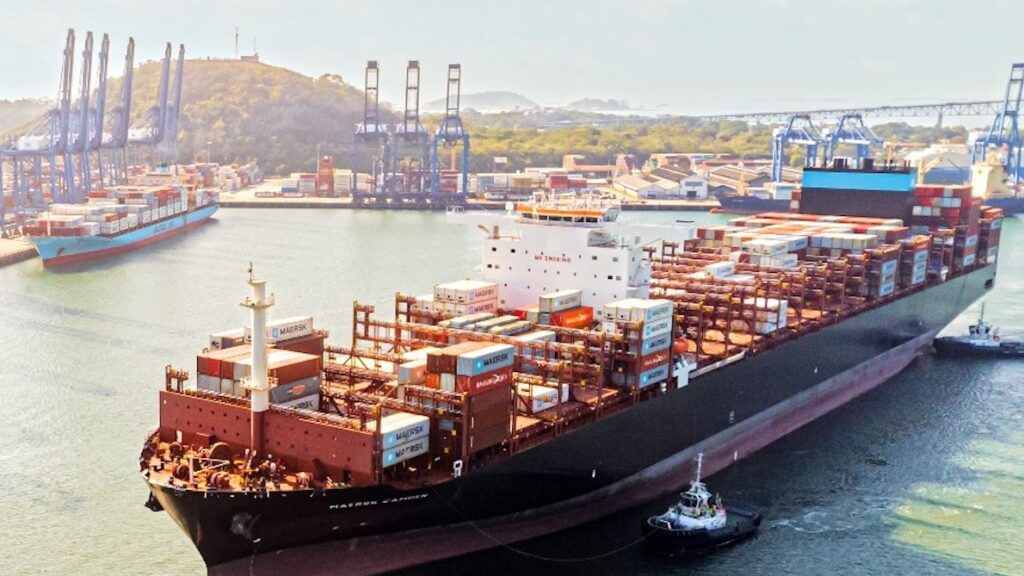
Panama has taken operational control of the Balboa and Cristóbal container terminals, two strategic facilities located at either end of the Panama Canal, bringing to an end more than three decades of management by a Hong Kong-based operator. The move follows a ruling by Panama’s Supreme Court that declared the long-standing concession unconstitutional, opening the way for a new phase in the administration of these key maritime assets.
According to reports, Panamanian authorities entered the terminals and assumed full administrative and operational control, while Panama Ports Company personnel were no longer allowed to manage the facilities. The transition marks a major development in the country’s efforts to reassert oversight over infrastructure considered critical to Panama’s logistics and trade network.
The terminals had been operated for years by Panama Ports Company, a subsidiary linked to Hong Kong-based CK Hutchison. The Supreme Court’s January 29, 2026 decision invalidated the concession, creating significant consequences for the company’s planned global ports transaction and intensifying attention on the future control of strategic assets surrounding the Canal.
Reports also indicate that temporary operational oversight has been assigned while Panama prepares a longer-term bidding or concession process. The development reflects a broader shift in the geopolitical and commercial landscape around the Canal, where questions of sovereignty, neutrality, transparency, and global influence have become increasingly prominent.
As one of the world’s most important maritime corridors, the Panama Canal remains central to international trade, and any change involving its surrounding port infrastructure carries major implications for shipping, logistics, and supply chain strategy. Panama’s decision to retake control of these terminals underscores the country’s determination to safeguard the long-term governance of assets that play a vital role in regional and global commerce.