

Panama’s bunkering sector is beginning to recover after the severe drought conditions of 2023 and 2024 disrupted Panama Canal transits and weighed heavily on marine fuel demand. According to the report, the restrictions reduced vessel traffic through the waterway and directly affected bunker sales on both the Pacific and Atlantic sides of the Canal.
Bunker sales in Panama fell 6.4% in 2023, dropping to 4.9 million metric tonnes, compared with 5.24 million metric tonnes in the previous year. The number of vessels taking bunkers also declined by 5.6%, while all major fuel grades recorded year-on-year decreases. Sales of VLSFO fell 2.7%, HSFO dropped 14.7%, low-sulphur MGO declined 13.6%, and MGO fell 5%.
The downturn continued through the first half of 2024, although conditions began to improve during the middle of the year. From January to August 2024, total bunker sales declined 4.1% to 3,177,487 tonnes, down from 3,313,813 tonnes during the same period in 2023. During that stretch, VLSFO sales fell 16.58%, HSFO dropped 42.58%, while low-sulphur MGO and MGO also posted declines.
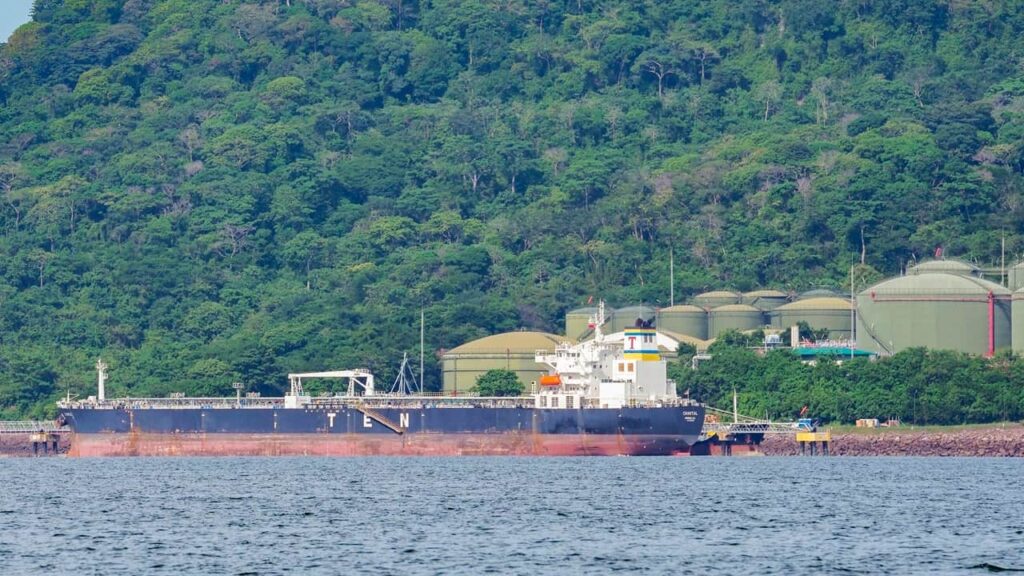
The report notes that bunker activity started to rebound in August 2024, supported by the gradual normalization of Canal transit levels. As more ships passed through Balboa and Cristóbal, the number of bunker calls increased. However, shorter waiting times on both sides of the Canal meant some vessels purchased smaller fuel volumes than expected.
Industry players said the drought restrictions had a direct impact on the entire auxiliary maritime sector in Panama, but they remain confident in the long-term strength of the market. Suppliers believe that, as trade patterns continue to normalize and Canal traffic stabilizes, the country’s bunkering business is positioned to move closer to pre-drought activity levels while also preparing for future demand linked to alternative marine fuels.